Are LED Nail Lamps Safe? The Truth About UV and Gel Manicures
Gel manicures have become one of the most popular nail services because they provide long-lasting shine and durability. However, many clients ask an important question before booking an appointment:
Are LED nail lamps safe for nails and skin?
The short answer is yes—LED nail lamps used in professional salons are generally considered safe when used properly, according to dermatologists and current scientific research. However, understanding how these lamps work and how exposure is managed can help clients make informed decisions about nail treatments.
How LED Nail Lamps Work
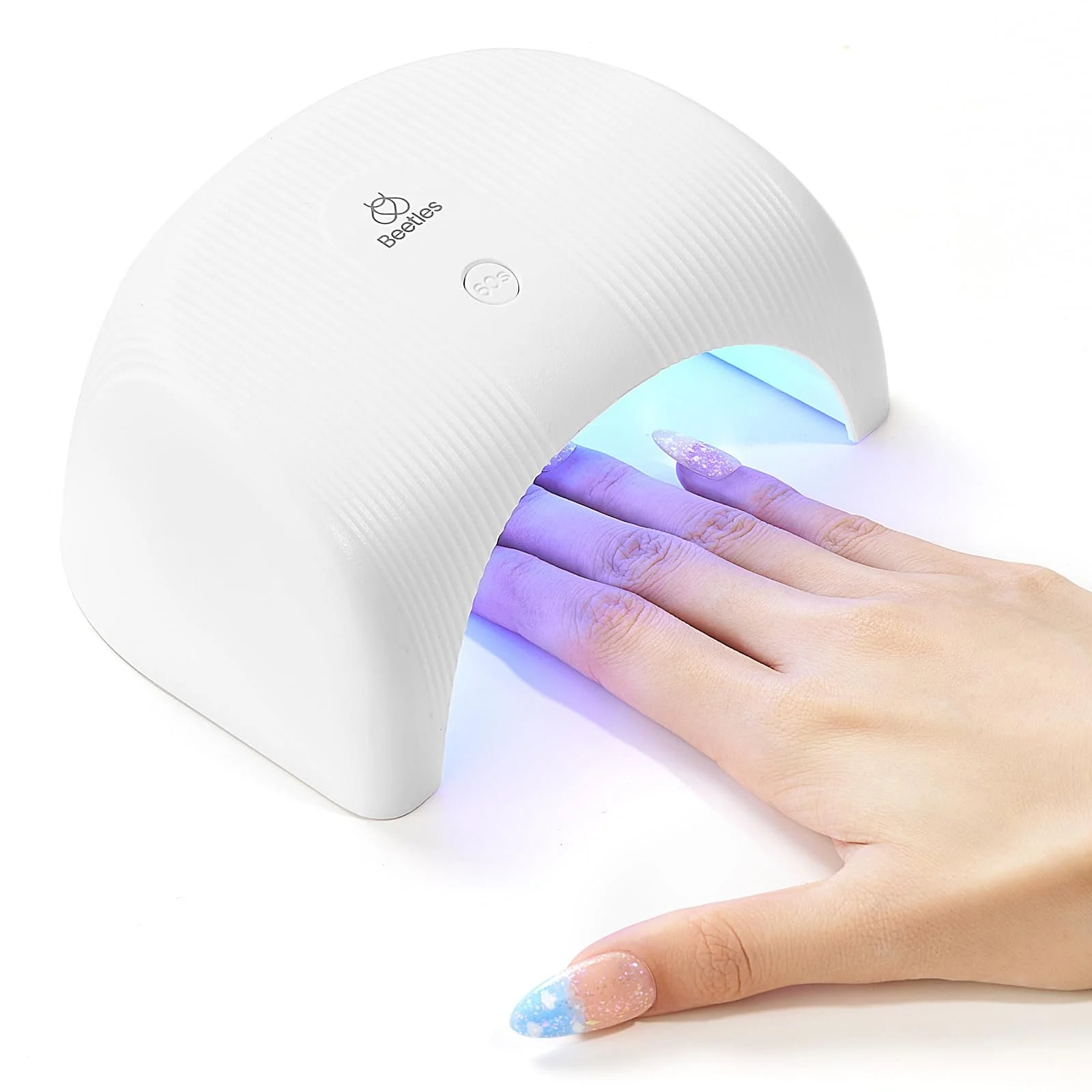
LED nail lamps are used to cure gel polish by hardening liquid gel products into a durable coating. These lamps emit specific wavelengths of light that activate photoinitiators in gel formulas, causing the product to polymerize and become solid.
While many people believe LED lamps are completely different from UV lamps, both technologies rely on ultraviolet light in the UVA spectrum to cure gel polish.
The difference is efficiency.
LED lamps cure gel polish much faster—often in 30–60 seconds per layer, compared with traditional UV lamps that can take several minutes.
Because curing time is shorter, overall UV exposure during the service is reduced.
Is UV Exposure From Nail Lamps Dangerous?
Research suggests that the level of UV exposure from nail lamps is very low when used occasionally in salons.
Studies and dermatology experts indicate that the risk of skin cancer from typical gel manicure exposure is minimal, especially compared with everyday sun exposure.
For example:
Gel manicures usually expose hands to UV light for only a few minutes per appointment.
Many dermatologists consider this exposure well below occupational UV safety limits.
Because the exposure is short and infrequent, most experts consider gel nail lamps low risk when used correctly.
LED vs UV Nail Lamps: What’s the Difference?
Although the terms are often used interchangeably, LED and traditional UV lamps operate slightly differently.
LED Lamps
Cure gel polish faster
Emit a narrower UV wavelength
Reduce exposure time during manicures
Traditional UV Lamps
Use fluorescent bulbs
Require longer curing times
Work with a wider range of gel formulas
Because LED lamps cure products more quickly, they often limit the amount of UV exposure during the service, which is why many modern salons prefer them.
What Studies Say About Nail Lamp Safety
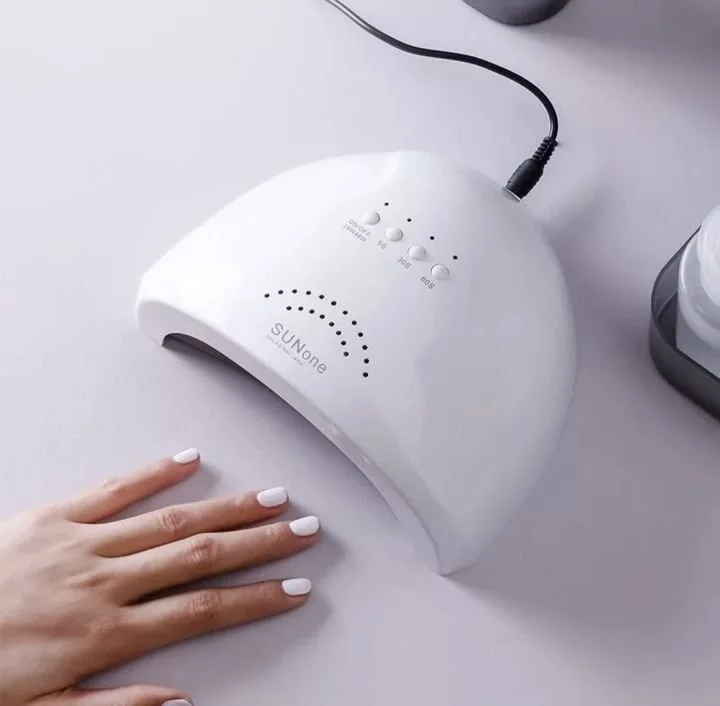
Scientific studies have produced mixed results but generally agree on one point: risk from typical salon use appears low.
Some laboratory research has shown that intense exposure to UV nail lamps can cause cellular damage in controlled environments.
However, real-world salon exposure is much shorter than these experimental conditions. Other research reviews conclude that the overall cancer risk from nail lamp exposure remains low for normal use.
Experts therefore recommend reasonable precautions rather than avoiding gel manicures entirely.
How to Protect Your Skin During Gel Manicures
Even though the risk is low, simple precautions can further reduce exposure.
Many dermatologists recommend:
• applying broad-spectrum SPF 30 sunscreen on the hands before the appointment
• wearing fingerless UV-protective gloves during curing
• limiting unnecessary repeated exposure
These steps can help minimize cumulative UVA exposure while still enjoying gel manicure services.
Why Professional Nail Salons Are Safer
Professional salons use calibrated lamps that match the gel products being applied. When the correct lamp and gel system are paired together, the gel cures properly and exposure time remains controlled.
Reputable salons also follow sanitation and safety protocols, including:
• using professional-grade LED curing lamps
• following manufacturer curing times
• maintaining clean equipment and hygienic tools
Choosing an experienced salon ensures the manicure is both beautiful and safe.
Are LED Nail Lamps Safe for Regular Gel Manicures?
For most people, occasional gel manicures pose minimal risk when proper precautions are taken.
Experts generally agree that nail lamps expose the skin to far less UV radiation than tanning beds or extended sun exposure.
As with many beauty treatments, moderation and proper technique are key.
-
Current research suggests the risk is low for typical salon use. However, dermatologists recommend sunscreen or protective gloves as a precaution.
-
Both types emit ultraviolet light, but LED lamps cure gel faster, which may reduce overall exposure time.
-
Most gel manicures require only a few minutes of UV exposure total, usually spread across several short curing cycles.
-
UV lamps cure gel products and do not damage nails directly. Nail damage typically occurs from improper removal or over-filing.
-
Most dermatologists do not recommend avoiding them completely. Instead, they advise using protective measures and visiting reputable salons.
Final Thoughts: Are LED Nail Lamps Safe?
LED nail lamps are an essential part of modern gel manicures, and current research indicates they are generally safe when used correctly and in moderation.
Understanding how these lamps work—and how exposure is managed—can help clients feel confident when choosing gel nail services.
With proper technique, professional equipment, and simple precautions, gel manicures remain a safe and effective way to achieve long-lasting, beautiful nails.